Things You Need to Know About Cupping Therapy and Hijama
Cupping therapy, which is among traditional and complementary medicine practices, is a method that has been used for various purposes in different cultures throughout history. Evaluated today in light of modern medical approaches, this method is fundamentally divided into two main categories: dry cupping and wet cupping (hijama).
First of all, it should be stated that; the information presented here is for general informational purposes. Cupping therapy or hijama does not replace standard diagnosis and treatment; consult a physician for a personal evaluation. The most appropriate treatment plan for your medical condition can only be determined by a specialist physician.
What is Cupping Therapy?
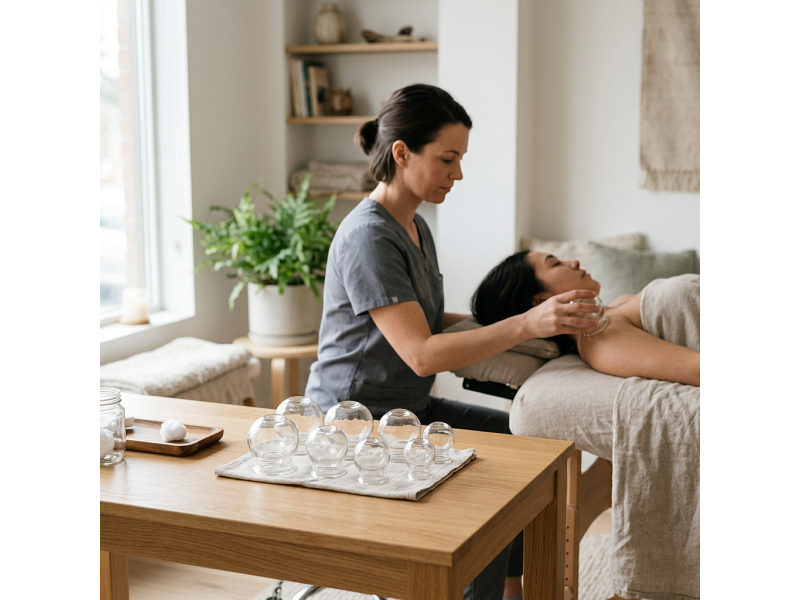
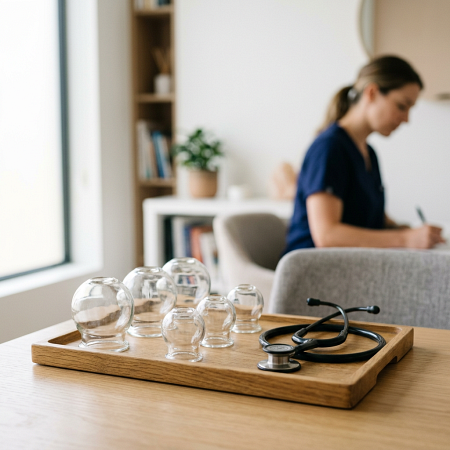
Cupping therapy, in general terms, is a treatment method performed by applying a vacuum to the skin at selected special body points. Throughout history, various methods have been used to create a vacuum, such as heating to create a vacuum or, more commonly preferred today, creating a vacuum mechanically. In today's applications, cups made from different materials such as plastic, glass, rubber, bamboo, ceramic, metal, and silicone can be used.
Before the application, the size of the target area and the cup to be chosen are determined by the specialist according to the person's anatomical structure and the point to be applied.
What are the Differences Between Dry Cupping and Wet Cupping (Hijama)?
Cupping therapy is basically applied with two different techniques:
- Dry Cupping Therapy: It is the process of applying a vacuum solely through cups without creating any incisions or scratches on the skin surface. The purpose of this method is to achieve the targeted effect by creating negative pressure in the designated area.
- Wet Cupping (Hijama) Therapy: It is the application of cupping performed by creating microscopic incisions (incisions) on the skin surface (epidermal layer) after the vacuum process applied to the skin. In this method, also known as hijama, the procedure is carried out by applying a vacuum again after the superficial incisions are made.
In summary, the main difference between the two methods is that while a controlled and superficial opening is created in the skin integrity in wet cupping (hijama), no incision process is applied to the skin in dry cupping.
How is Wet Cupping (Hijama) Treatment Applied?
Wet cupping (hijama) application has certain medical steps and rules. These steps should be carried out in the following order:
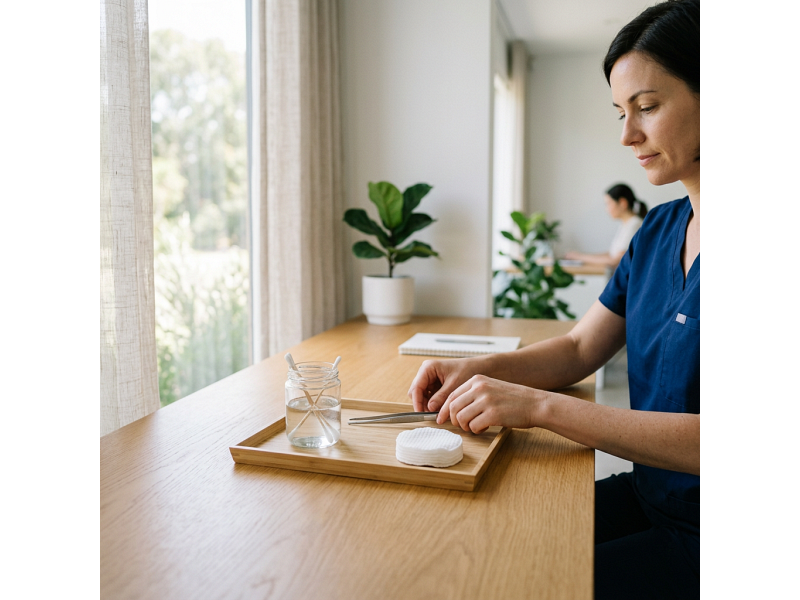
- Disinfection of the Application Area: Before the procedure, the skin surface is carefully disinfected with appropriate solutions to prevent the risk of infection.
- First Vacuuming: Vacuuming is performed on the application area before the incision. In addition to providing a local anesthetic effect, this stage helps gather the material located under the skin to the cup site.
- Incision Process: It is performed immediately after the cup is removed. The depth of the incisions must not pass into the subcutaneous tissues (subcutaneous layer), but must remain limited only to the epidermal layer, which is the topmost layer. The main target here is the dermo-epidermal junction (intracapillary blood and fluid components in the interstitial environment). The incisions are applied parallel to the natural layers of the skin.
- Second Vacuuming: After the incision, the cup is replaced, and the procedure is continued by vacuuming.
- Cleaning: The application area is cleaned appropriately and the procedure is terminated.
What are the Potential Benefits and Effects of Cupping Therapy?
Various potential effects of cupping application on human physiology are reported. The possible benefits and intended uses of the application are as follows:
- Helping to clear toxic effects in peripheral and interstitial (intercellular) fluids,
- Enhancing the natural excretory functions of the skin,
- Offering support in strengthening immunity,
- Restructuring hemostasis (the bleeding-stopping mechanism and circulatory balance),
- Increasing microcirculation (capillary blood flow) of the skin and muscles,
- Stimulating the autonomic nervous system.
Possible Complications to Watch Out For During and After the Application
As with any medical intervention, cupping therapy has certain risks and potential side effects. Strictly adhering to infection control measures during the application is the most vital part of the clinical process to prevent infections.
Although side effects of cupping application are rarely reported, the following situations may occur:
Mild and Temporary Effects: Conditions such as a feeling of discomfort in the application area, short-term numbness, and weakness may occur. Generally, these complaints disappear completely on their own within a very short time. Picking pain associated with the tool used in the wet cupping (hijama) application, mild circulatory complaints, dizziness, headache, and numbness after the application may be experienced. Additionally, pain, hematomas, or small bruises lasting for a few days may be seen in the application area.
Rarely Seen Serious Side Effects: Allergic reactions to the materials used (cup, scalpel, etc.), local or deep infections, transmission of infectious diseases (especially if sterilization rules are not followed, such as Hepatitis B, Hepatitis C, HIV), vascular or nerve damage may occur. In much rarer cases, thrombophlebitis (blood clot in a vein), pulmonary embolism (blood clot in the lung), life-threatening bleeding, anaphylactic shock (allergic shock), difficulty breathing, cramping, and loss of consciousness have been reported.
To minimize these risks, it is essential that cupping therapy and hijama procedures are performed in hygienic and clinical conditions by healthcare professionals who are competent in this field and possess anatomical knowledge.
This content has been translated using artificial intelligence technology.